

A visitor can begin forming an impression of your business before anyone introduces themselves. The entrance, reception area, meeting room and washroom all contribute to how prepared and well-maintained the premises feel.
Cleanliness does not prove that a business provides an excellent service. However, visible dirt, clutter or neglected shared areas can become an unnecessary distraction before you have had the chance to demonstrate what your business does well.
For workplaces that regularly welcome customers, candidates, suppliers or professional partners, the condition of the premises is part of the overall visitor experience.
Follow the Route Your Visitors Actually Take
Employees see the same surroundings every day. Over time, a scuff near the entrance, fingerprints on glass or a dusty corner can become part of the background.
A first-time visitor sees the space differently.
One practical way to assess customer-facing cleanliness is to walk through the premises in the same order a visitor would:
- entrance
- reception or waiting area
- corridor or communal space
- meeting room
- washroom
Looking at the workplace from that perspective makes it easier to spot details that regular occupants may have stopped noticing.
The Entrance Sets Expectations Early
The entrance is usually the first physical part of the business a visitor encounters.
That makes simple details particularly visible:
- fingerprints on doors or glass
- dirt around entrance mats
- mud carried onto hard floors
- dust on nearby ledges or furniture
- litter or waste left in view
- marks around handles and push plates
Weather and footfall can change an entrance quickly. A doorway that looked clean first thing in the morning may need attention again after heavy rain or a busy period.
The aim is not to make an active workplace look untouched. It is to prevent obvious dirt, waste and spillages from being left long enough to dominate the first thing a visitor sees.
Reception Areas Give Visitors Time to Notice More

Waiting areas deserve particular attention because visitors may spend several minutes sitting there before an appointment begins.
During that time, smaller details become easier to notice.
Dust beneath chairs, crumbs on a table, fingerprints on glass or paperwork spread across the reception desk can make the space feel less organised, even when the main floor has been cleaned.
Research into perceived cleanliness in service environments identified three broad dimensions people associate with cleanliness: cleaned, fresh and uncluttered.
That last point is useful because cleaning and tidiness are not the same thing.
A reception desk can be physically clean but still look poorly maintained if it is covered with boxes, cables, paperwork or unused items.
For visitor-facing areas, it helps to consider both:
- whether surfaces and floors are clean
- whether unnecessary clutter is making the space look untidy
Meeting Rooms Need More Than a Morning Clean
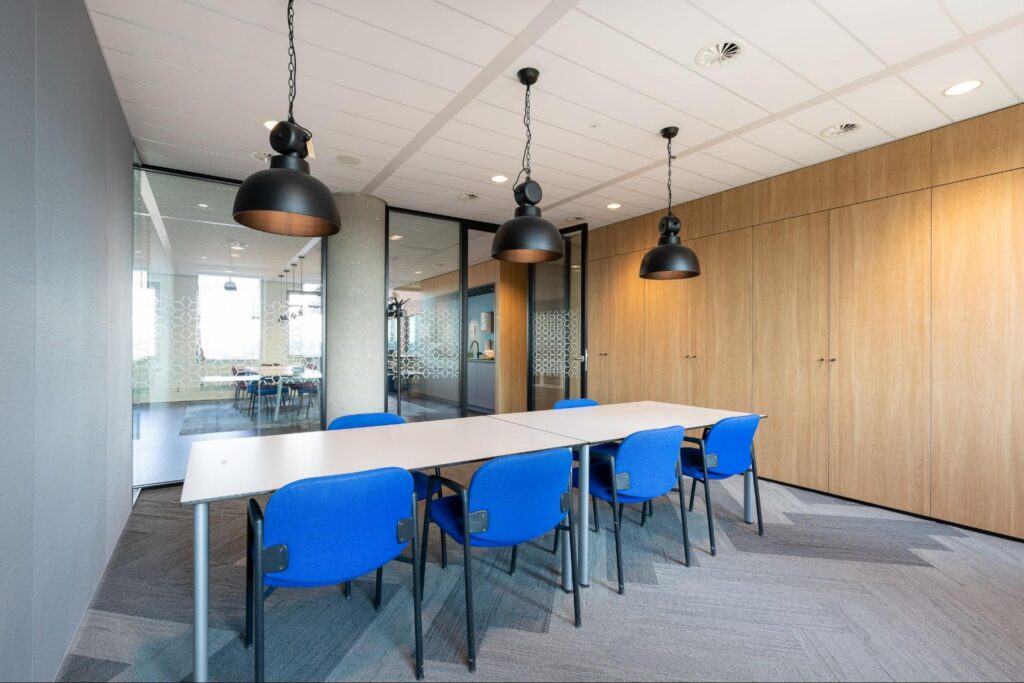
A meeting room may look ready at the beginning of the day and become untidy after only one or two uses.
Typical problems include:
- used cups or glasses
- crumbs or drink marks
- fingerprints on tables
- chairs left out of place
- full waste bins
- smears on screens or internal glass
- materials left behind by previous users
A simple reset routine can prevent one meeting affecting the next.
Employees can remove their own belongings, return chairs and report spillages, while scheduled cleaning deals with agreed tasks such as floors, surfaces, glass and waste.
Responsibility should be clear so the room does not stay untidy simply because everyone assumes someone else will deal with it.
Washrooms Can Influence the Overall Experience
A visitor may only spend a few minutes in a washroom, but its condition is still part of the premises they experience.
Clean toilets and basins are only part of the picture. Soap, toilet paper and hand-drying supplies also need to be available, while mirrors, floors, dispensers, handles and bins require regular attention.
The Health and Safety Executive’s workplace guidance requires employers to provide clean premises, remove dirt and waste regularly, clear spillages promptly and provide clean toilets and hand basins.
How often washrooms need checking will depend on how heavily they are used.
A small appointment-based office may need a different routine from premises used throughout the day by staff, customers and other visitors.
Shared Areas Still Affect the Overall Standard
Visitors may not always enter a staff kitchen, but contractors, candidates, suppliers and business partners sometimes do.
Unwashed cups, food residue, overflowing bins or marked worktops can make shared areas unpleasant to use.
Clear responsibilities help here too.
Employees may be expected to deal with their own cups, food and belongings, while scheduled cleaning covers the tasks included in the agreed cleaning scope.
That separation avoids relying on whichever employee happens to notice the mess first.
What Does a Well-Maintained Workplace Communicate?
People do not all interpret a physical environment in the same way, so it would be misleading to say that a clean workplace automatically creates trust, wins customers or improves business performance.
A maintained workplace can, however, support the way the organisation presents itself.
| What visitors see | What it may suggest | Areas to watch |
| Clear, maintained entrance | The premises are prepared for visitors | Doors, mats, handles and floors |
| Orderly reception area | Visible details receive attention | Seating, desks, bins and glass |
| Reset meeting room | The space is ready for its next use | Tables, chairs, screens and floors |
| Well-stocked washroom | Shared facilities are being monitored | Toilets, basins, mirrors and supplies |
| Maintained communal areas | Everyday responsibilities are organised | Worktops, sinks, floors and bins |
These impressions are subjective. Visible dirt, clutter or maintenance issues should not become the thing visitors remember about the premises.
Cleanliness Should Match the Rest of the Brand Experience
Websites, signage, presentations and customer communications all help shape how a business presents itself.
A visibly neglected workplace can feel disconnected from that effort.
That does not mean a business needs expensive furniture, elaborate décor or a reception that looks like a showroom.
A better test is whether the physical space looks consistently maintained.
A tidy reception desk, clean entrance glass and a meeting room reset before the next appointment help the premises look prepared throughout the visitor journey.
Clean Safely as Well as Thoroughly
Appearance is only one consideration when cleaning a workplace.
Cleaning itself should not create unnecessary hazards for employees or visitors.
Wet floors, trailing cables and cleaning equipment left in busy walkways can introduce slip or trip risks. The HSE’s guidance on cleaning safely recommends measures such as cleaning during quieter periods, restricting access to wet floors, cleaning in sections and dealing with spillages promptly.
This is particularly relevant in entrances, corridors and reception areas where people continue moving through the building while cleaning is taking place.
Build Cleaning Around Visitor-Facing Priorities
Not every area of a business needs the same level of attention at the same frequency.
Prioritise the areas visitors see most often and the spaces with the heaviest footfall.
Consider:
- how many visitors normally enter the premises
- where they wait
- which rooms are used for meetings
- which entrance receives the most footfall
- how often washrooms are used
- whether weather regularly brings dirt through the entrance
- which areas can be cleaned without interrupting customers or staff
A small office receiving a few appointments each day may need a different routine from a busy customer-facing workplace.
The schedule should reflect how the premises actually operate.
If the same cleanliness issues are returning between visits, our guide to signs your office may need a professional cleaner looks specifically at whether the current cleaning arrangement is keeping pace.
Keep the Cleaning Scope Specific
Instructions such as “keep the office tidy” are too broad to be particularly useful.
A clearer scope can state:
- which rooms are included
- which surfaces and tasks are covered
- how frequently important areas are attended to
- when cleaning takes place
- how spillages or urgent issues are reported
- who monitors washroom supplies
- which jobs need separate arrangements
It should also distinguish cleaning from maintenance.
A cleaner may notice a leaking tap, damaged floor or broken dispenser, but cleaning does not repair the underlying fault.
Keep Customer-Facing Areas Ready for the Next Visitor
An active workplace does not need to look untouched throughout the day. The aim is to keep obvious dirt, waste and untidiness from becoming part of the visitor experience.
Start with the route customers actually take and pay particular attention to the entrance, reception area, meeting spaces and washrooms.
We provide commercial office cleaning for businesses that want regular support keeping those areas maintained. The most suitable schedule will depend on the premises, operating hours, visitor numbers and areas that need the most attention.
A clear routine built around real use is usually more useful than waiting until the workplace looks noticeably dirty before dealing with it.